
The Literary Antiquarians of Dallas
Dallas, Texas
Think of yourself as looking after a piece of history,” says Eric Pedersen, senior specialist at Peter Harrington Rare Books. “Every rare book is a surviving witness to its time, and our responsibility is to preserve it so future generations can appreciate it.”
Dallas is no stranger to book collecting. Scattered across the city and bound by a shared love of the tangible, a growing community of book collectors pursues everything from handmade zines to one-of-a-kind hardbound local memoirs. Each spring, art lovers converge at the Dallas Contemporary for the Dallas Art Book Fair, hunting for the next indie-printed gem. Weekly ritual brings readers to the Half Price Books flagship, Bird’s Books, Deep Vellum, Fine Print, and other neighborhood shops to expand personal library troves.
This summer, Dallas hosted the Dallas Antiquarian Book Fair, the largest and oldest rare book fair in the Southwestern United States, drawing sellers from nearby shops and from institutions as far away and prestigious as Peter Harrington of London. Organizers included Michael Utt, Bryan Young and Julie Adkins of the Texas Booksellers Association, as well as James Palmer and Frank Thielman of Half Price Books. Librarians from SMU, TCU, and UNT, as well as museums and private collectors, were among the buyers.
Notable offerings at the fair included a 1983 copy of Electronic Games (Where Mario and Donkey Kong made their first cover appearance together), a first edition hand-painted and inscribed book by artist David Hockney, a 1482 first printed edition of Euclid’s Elements (considered the first substantial mathematical book ever printed), and a Japanese handwritten Gospel of Matthew from 1871. At events like these, collectors are increasingly seeking volumes with stories: first editions, true rarities, author inscriptions, and clear provenance. “This fair is about preservation; it’s about remembering our past,” said one Half Price Books organizer.
In recent years, book collecting has become about much more than just looking for institutional pieces.
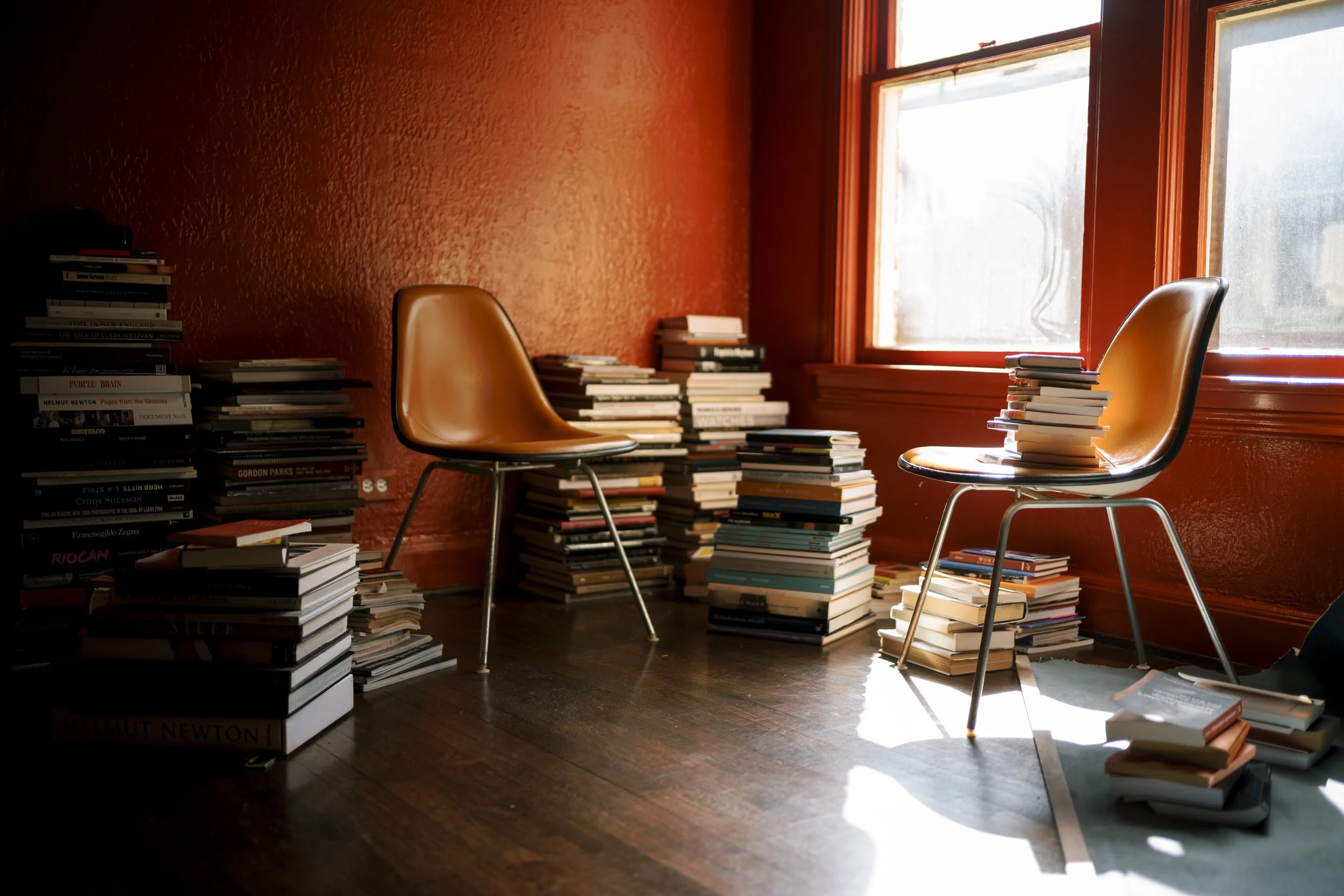
“One of the biggest changes over the past decade has been the increase in younger collectors,” Pedersen says. “Many people who grew up in a digital world are discovering the appeal of physical books as beautiful objects with history, craftsmanship, and permanence—something that has staying power in an ephemeral world. Collecting has become much more diverse than many people expect. People increasingly value books not only for what they say, but for what they are as physical objects and what they mean to them personally.”
I had the privilege of speaking with an incredible group of young book collectors throughout Dallas, including activists, artists, and educators, to understand how they are building both deeply personal collections and community-centered libraries of rare books. These collections tell stories of our city and its people. I wanted to understand what continues to draw this group to the tactile and why they believe these books matter now more than ever.
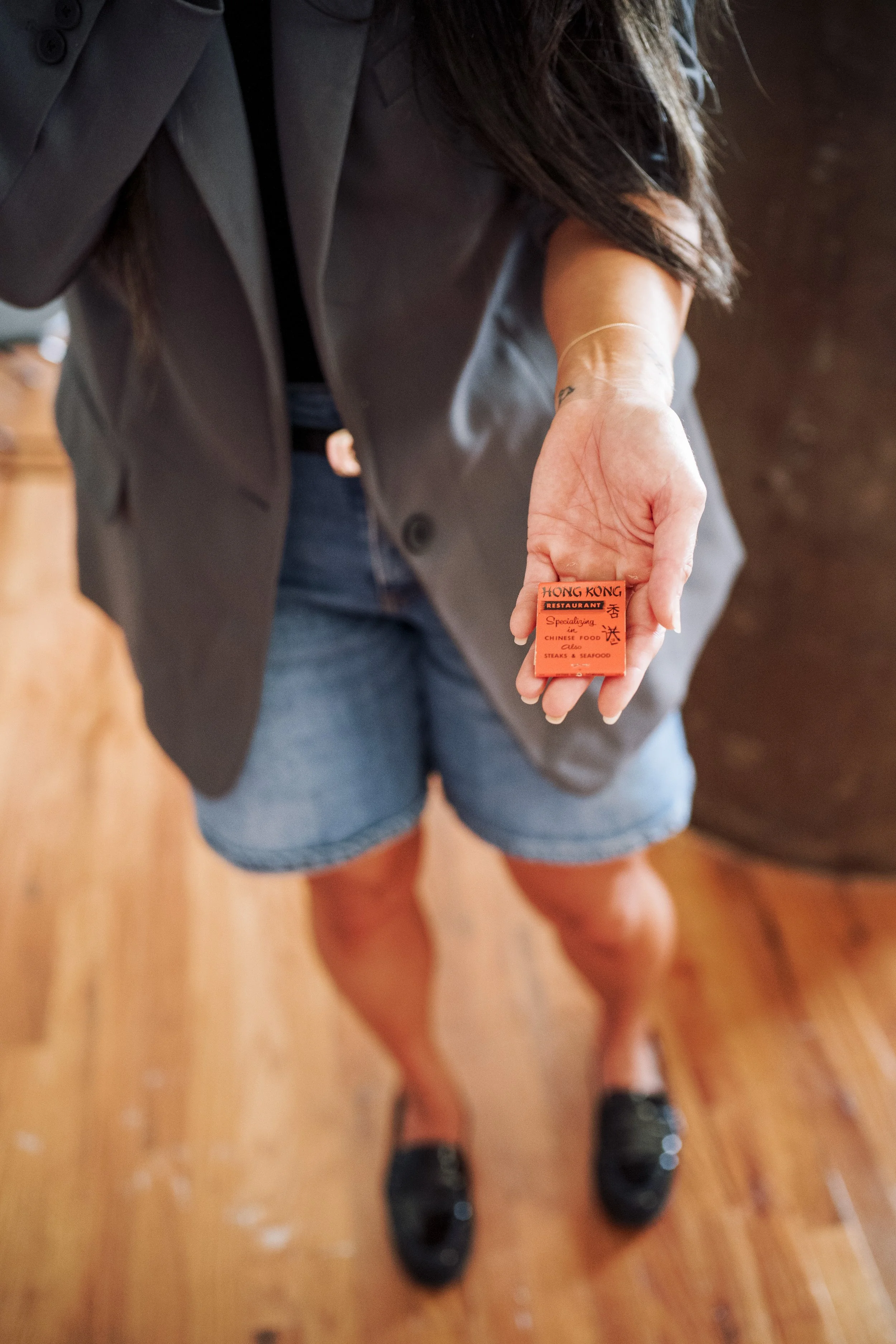
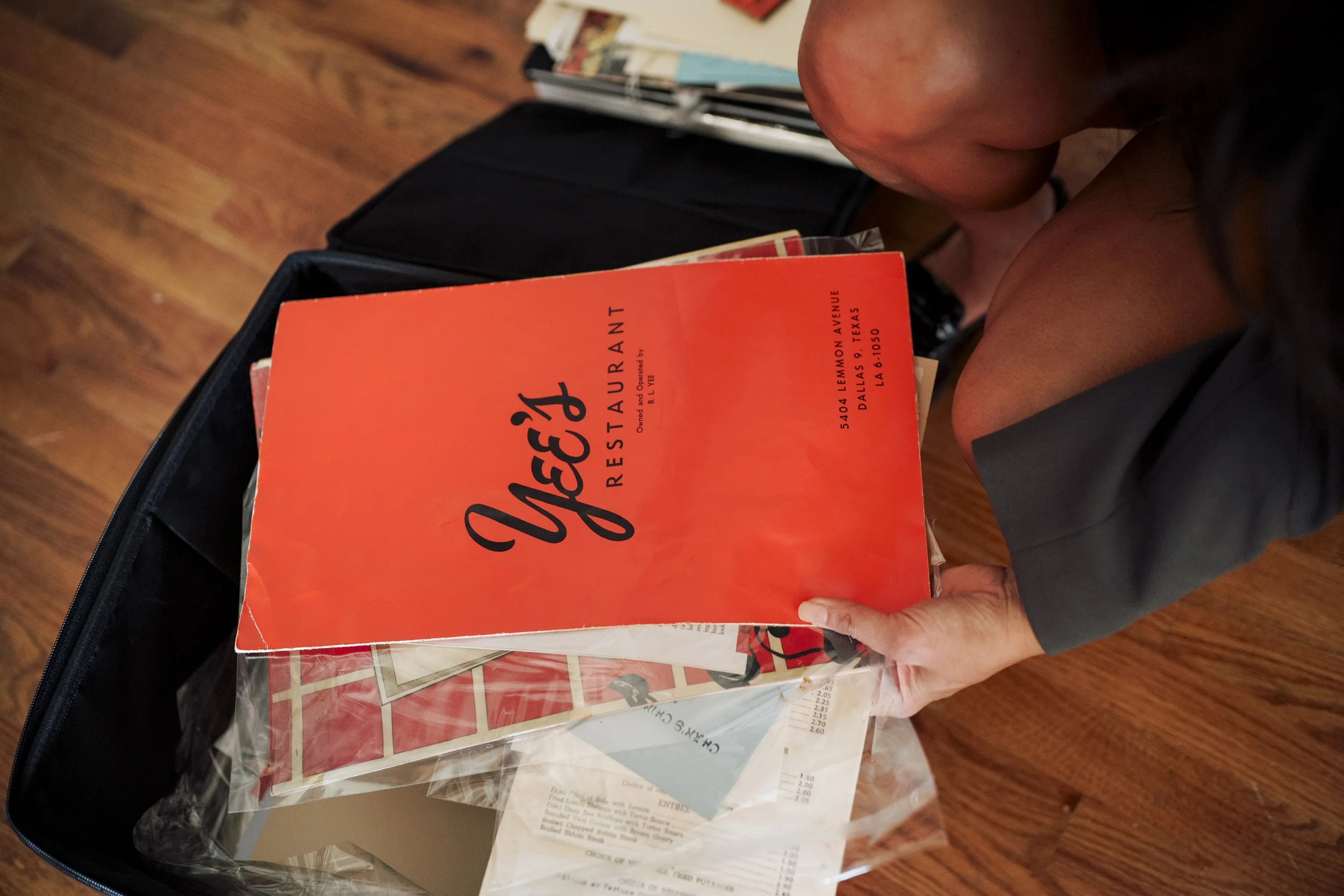
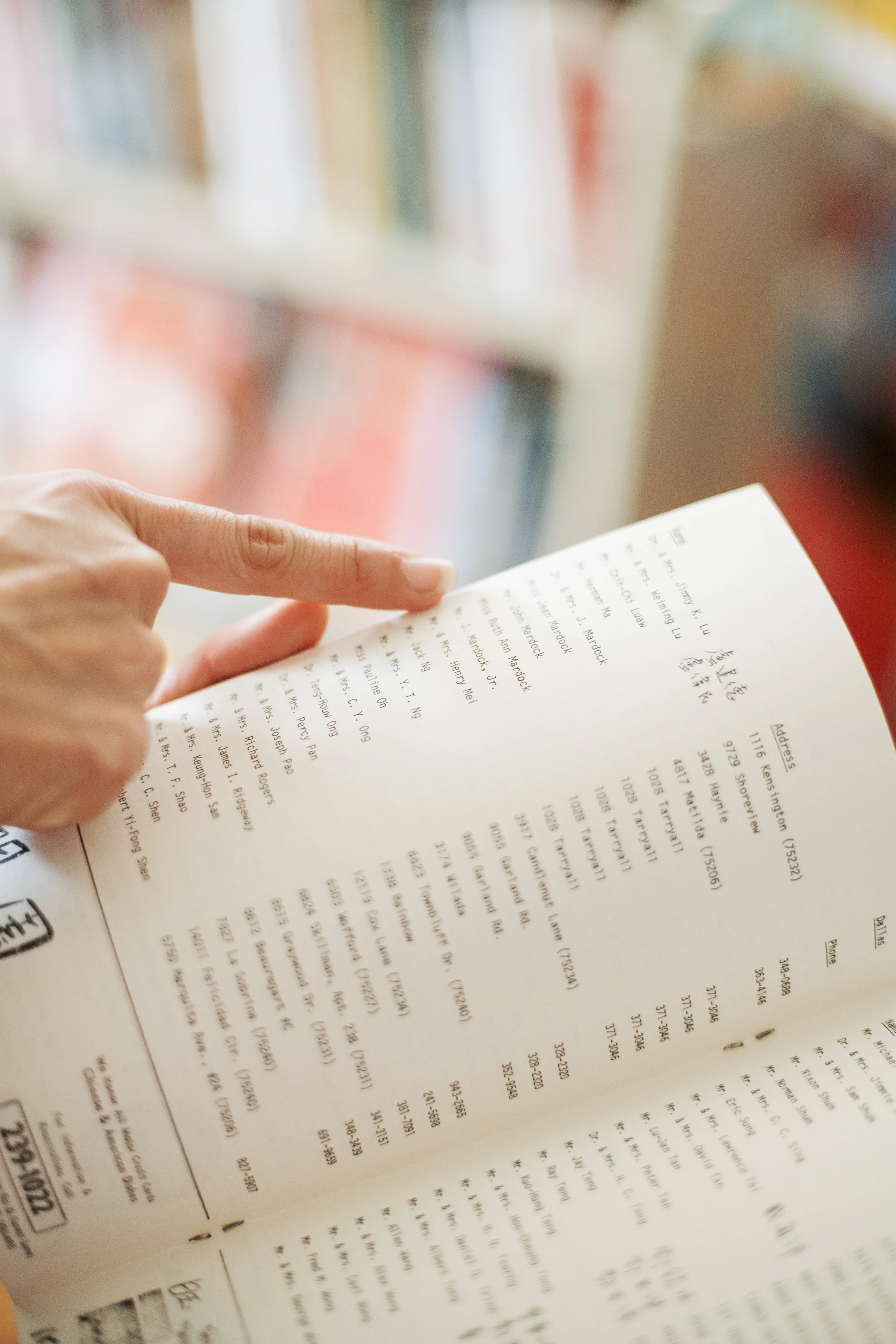
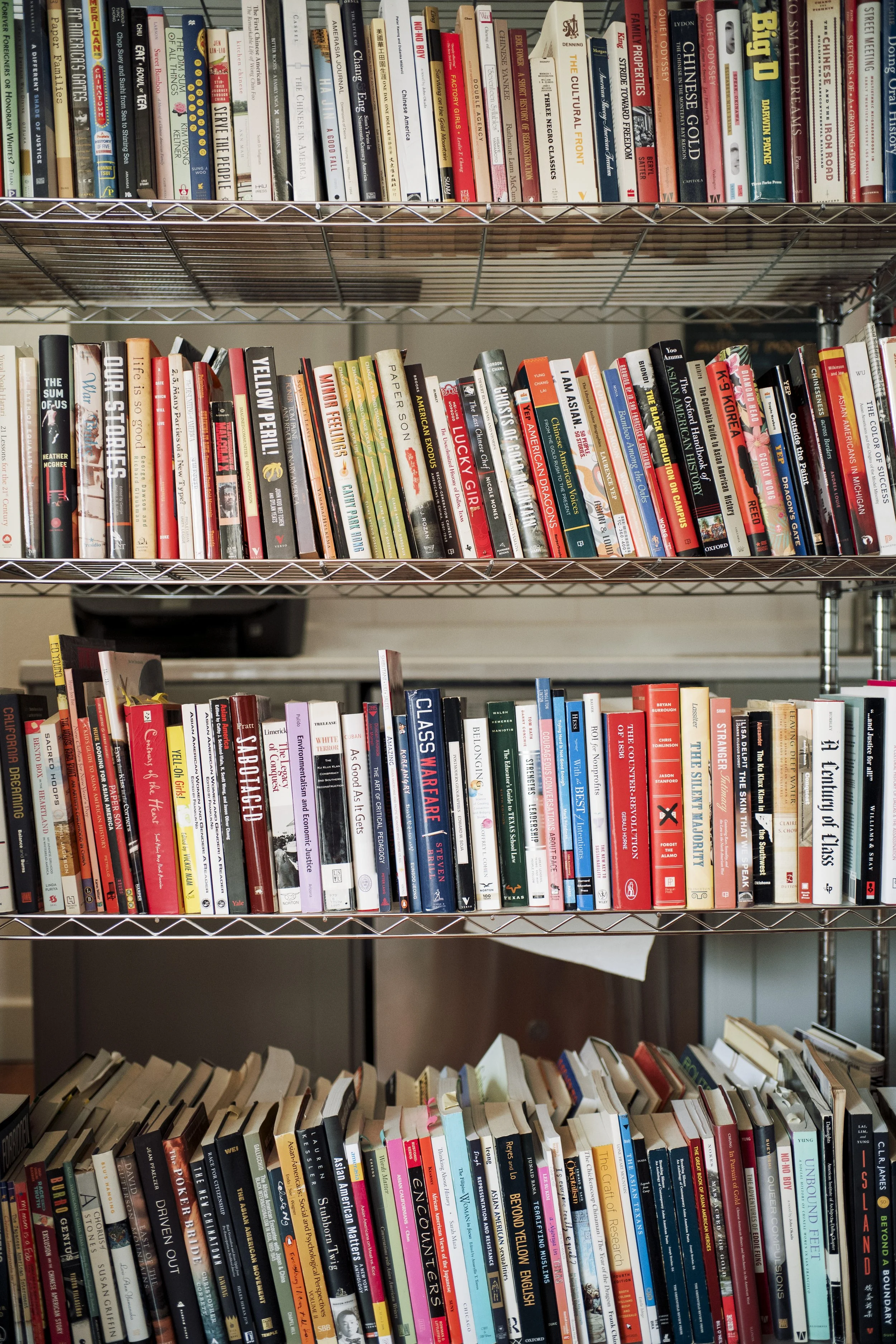
Stephanie Drenka
40, Executive Director of the Dallas Asian American Historical Society
Preserving our stories and books is a revolutionary act in a time like this when history is being actively erased and censored. There is so much knowledge contained in these, and that’s made even more clear by the great lengths people in power are going to make them inaccessible. What these books have done for me is give me hope: That we are not alone in anything we are facing and that our elders and ancestors have left us breadcrumbs to follow and solutions to fight back.
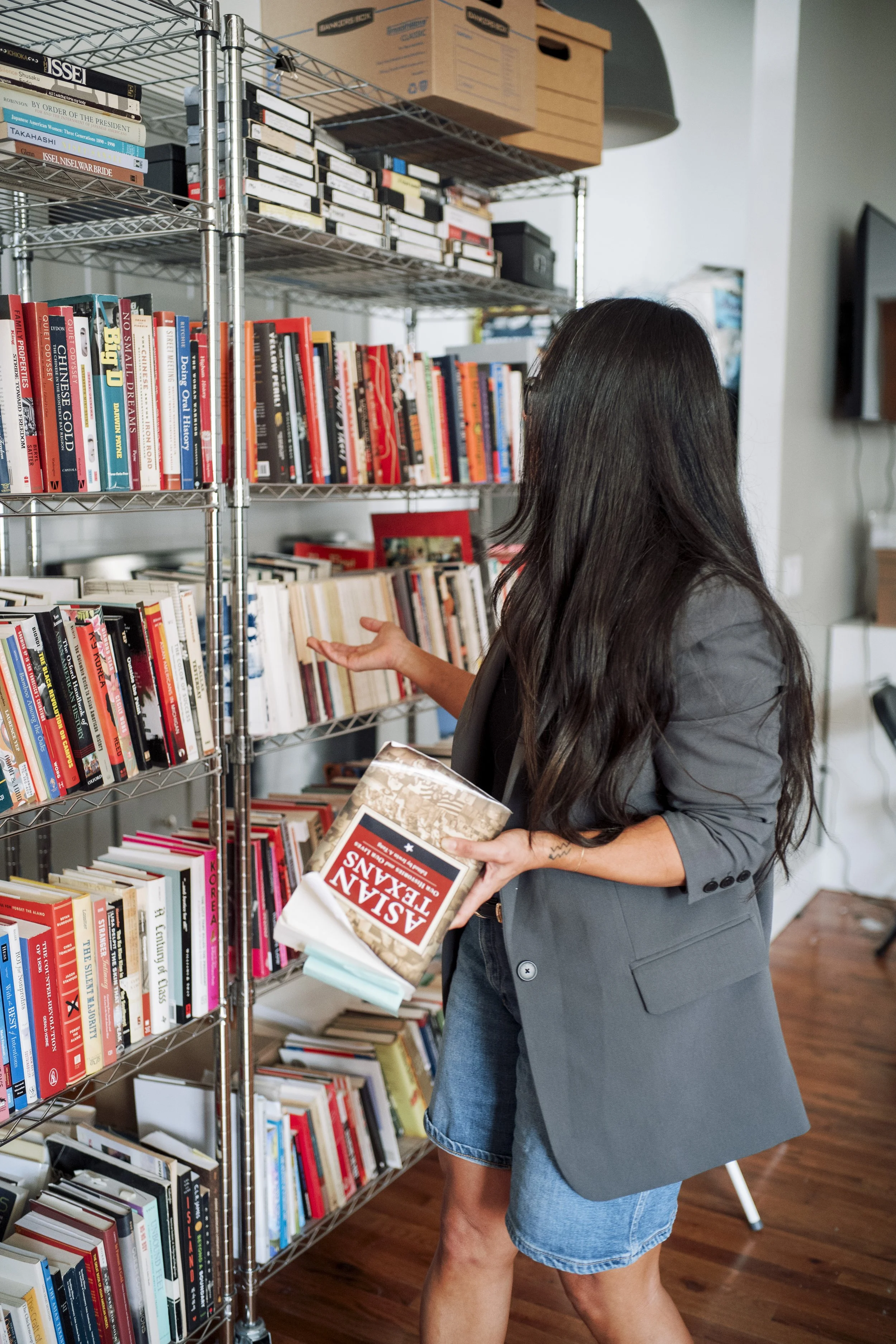
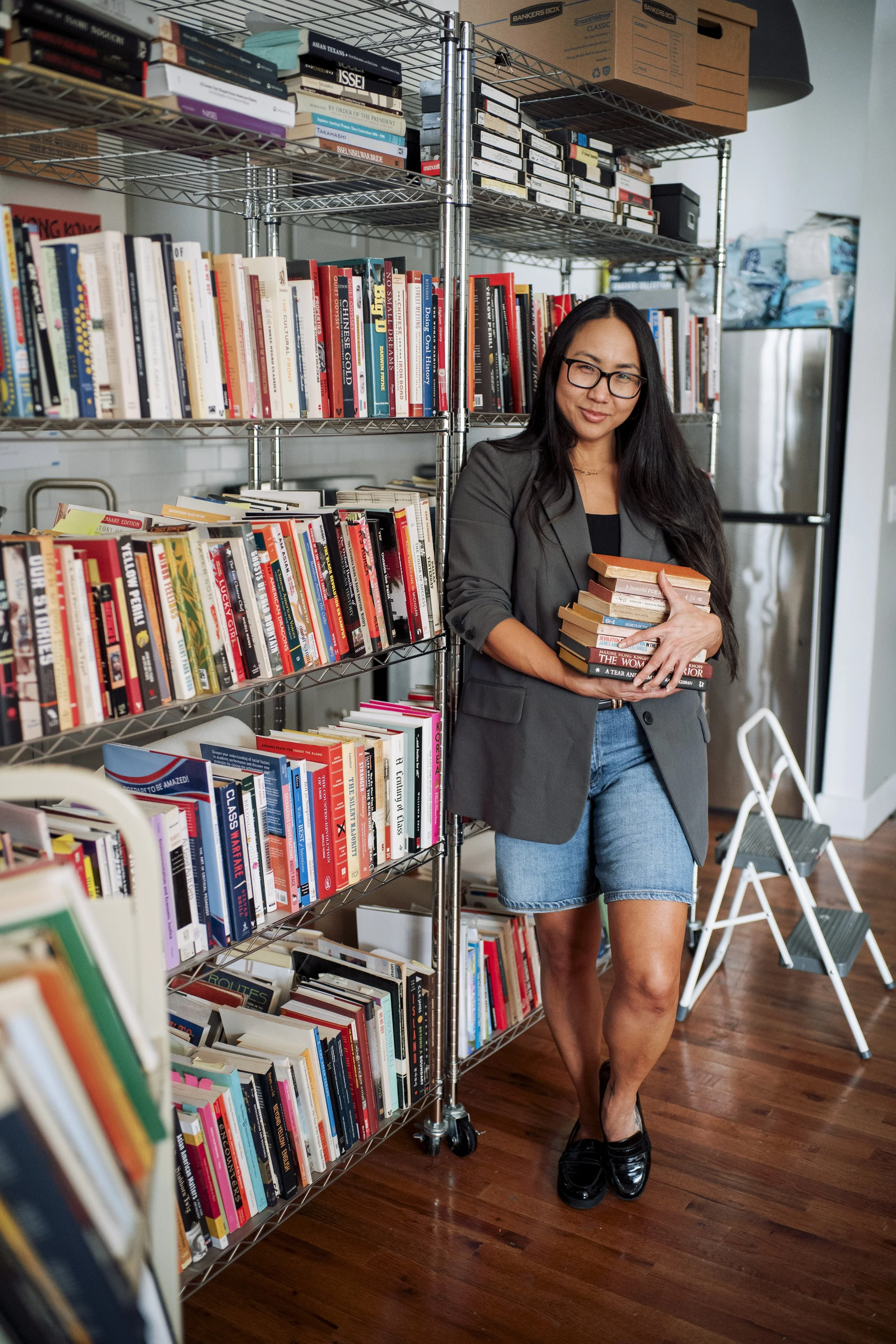
I don’t remember a time when I didn’t collect books. My mom is a retired librarian, so books were always treasured in our home. As a historian, most books that I collect now are related to Asian American or Dallas history, but I also love finding early editions of the classics I grew up reading. We’ve been extremely fortunate because Asian American professors and community members have donated their books to our DAAHS library. Our collection has some rare, very niche books, including memoirs written by local community members who have since passed away. With so few written accounts of Asian American history, every physical artifact like a book is precious to us.
One of the important books we have in our collection is “The Japanese Texans.” It’s out of print, so some used copies can be priced high—which makes it inaccessible for people. The book explores an important history about the Japanese Latin Americans who were incarcerated during WWII in places like Seagoville, which is only about 25 minutes from Dallas.
Another book, “Asian Texans,” has been instrumental for us at DAAHS. We’ve used it to locate people and places for our research. Our core collection also contains a first edition of James and Grace Lee Boggs’ “Revolution and Evolution in the Twentieth Century”—it was donated to us by a professor who was close friends with them, and the content is so relevant today. We have a large collection of Dallas City Hall artifacts rarely seen, which we will be showing on August 16th in a show called “The People’s House.”
In my personal collection, I have a first edition of Maxine Hong Kingston’s memoir “The Woman Warrior.” She was the first Asian American author I read in college during my Asian American Studies class and her work has been extremely impactful. There’s a quote by her that inspired me to co-found DAAHS: “In a time of destruction, create something.” — Stephanie Drenka
Jesse Jackson IV
34, MFA Image/Text candidate, Cornell University
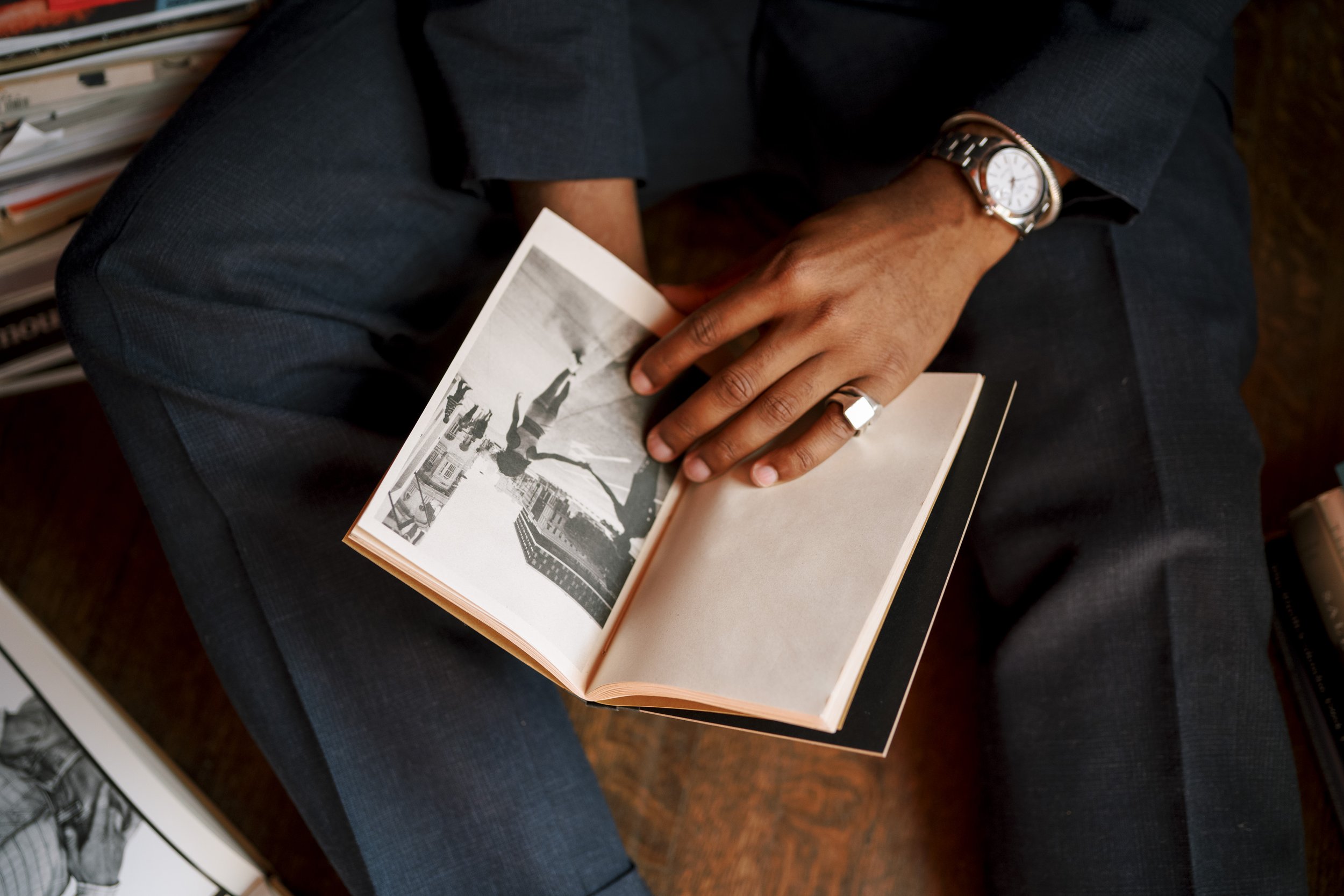
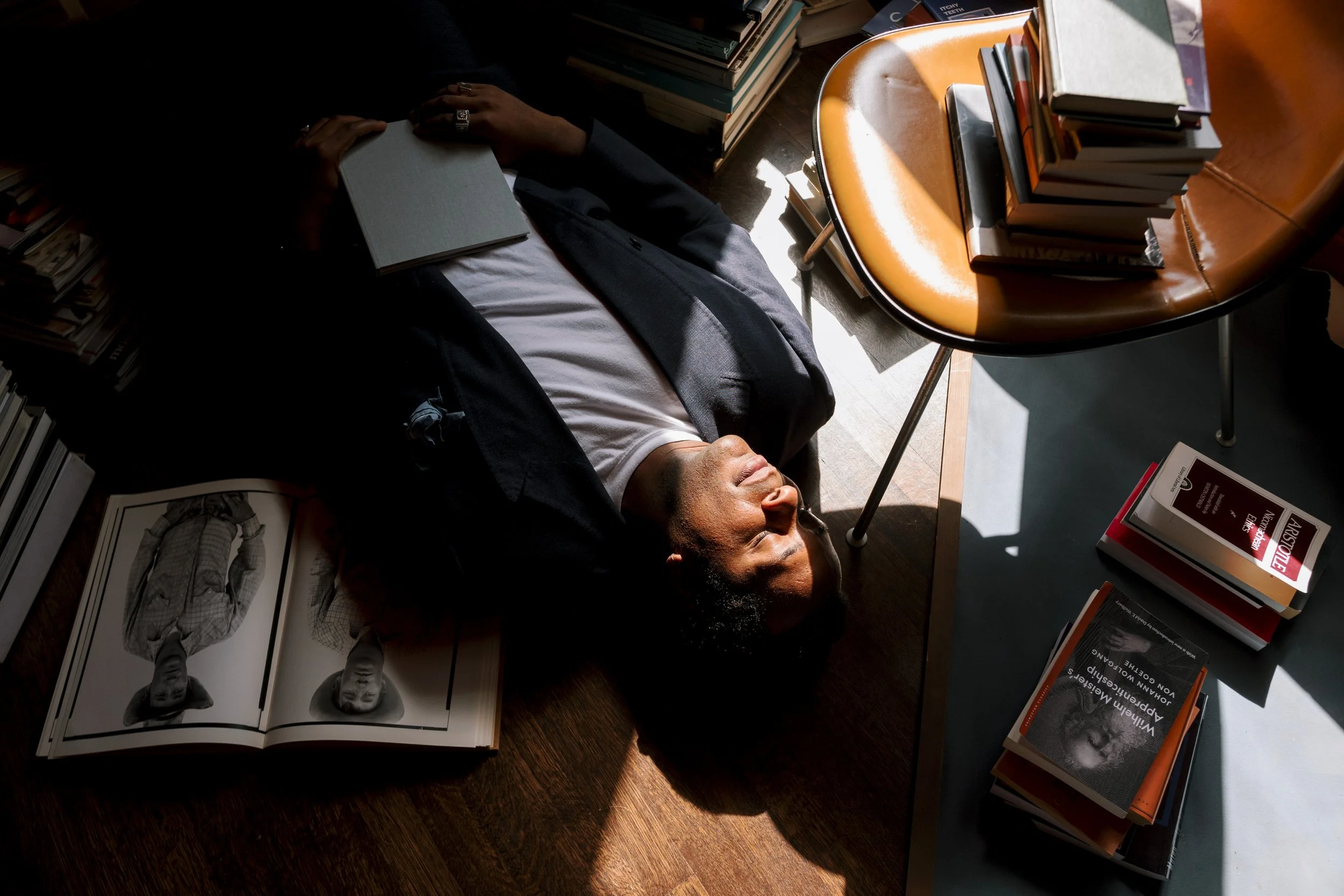
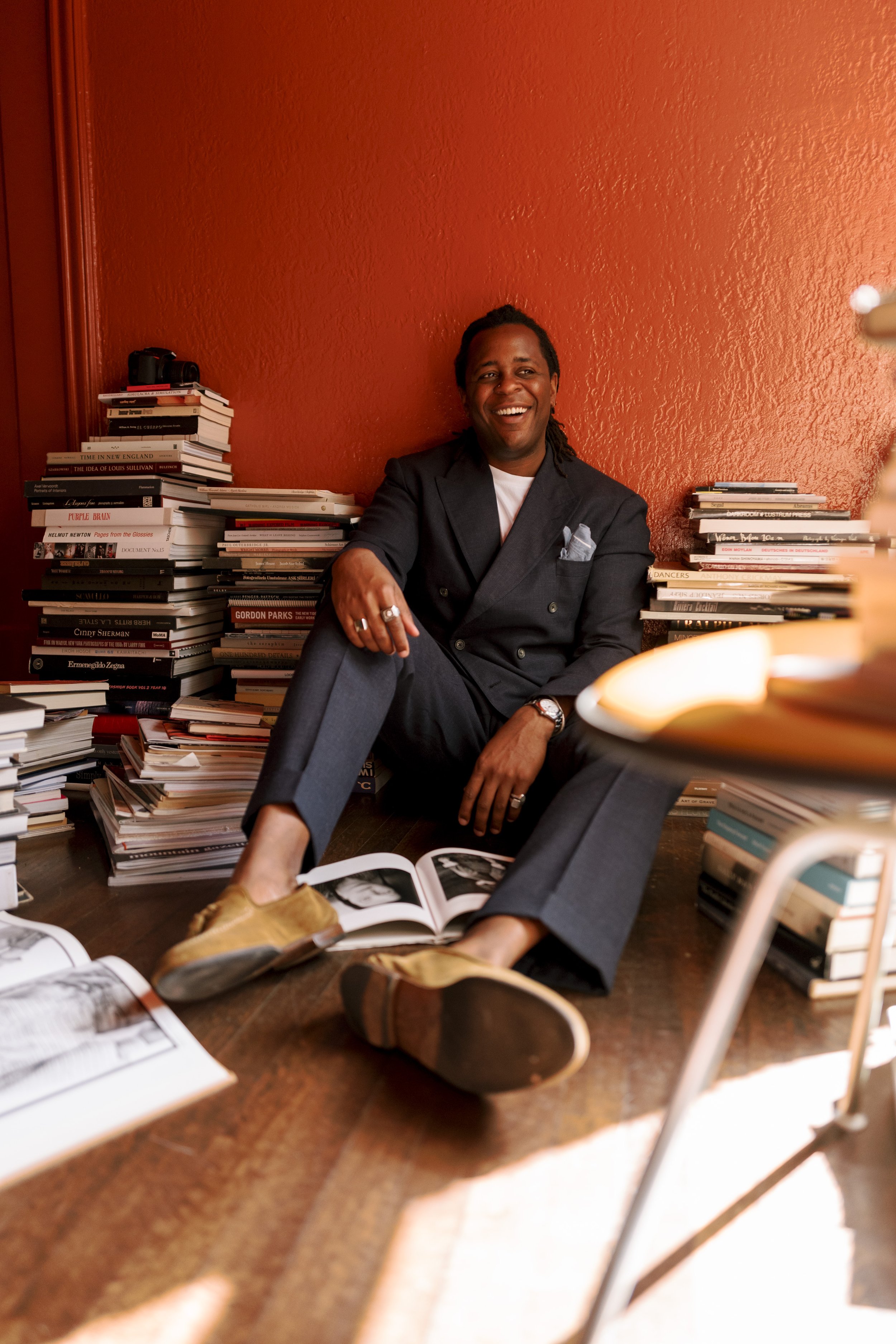
If we are interested in owning the things we enjoy, rather than paying monthly for the privilege of renting them and being subject to those things one day disappearing due to the whims of corporate structures or political pressures, it is imperative that we are intentional about preserving those things physically. What makes a book worth keeping for me is any book that allows me to see the hand of the maker in the work. Whether that hand is reflected in the materiality of the object or it is conceptually in the construction and presentation of the content, I buy books to feel a connection with the author.
I started accumulating books prior to actively collecting them. I read voraciously as a child, and I was fortunate enough to have an aunt who read as frequently and who was able to recommend books that were safe for me to read. I ended up taking books from her library, and later being gifted more. Predominantly fantasy and science fiction. I began collecting intentionally in 2019, which is when my education on the photobook began in earnest. Now, I am primarily interested in the handmade artist book and the monograph. I believe the photo-book to be its own unique art form with its own language and motifs worth exploring.
For a while, I had an annual tradition of reading through Hemingway’s work. “A Movable Feast” was always a joy to return to, and a few years ago I took a tour of literary Paris and was able to sit in the same cafe where the book begins. That sense of place, of shared experience across time, is something I feel the best books allow access to. — Jesse Jackson IV
Jamario Washington
41, Director of Photography
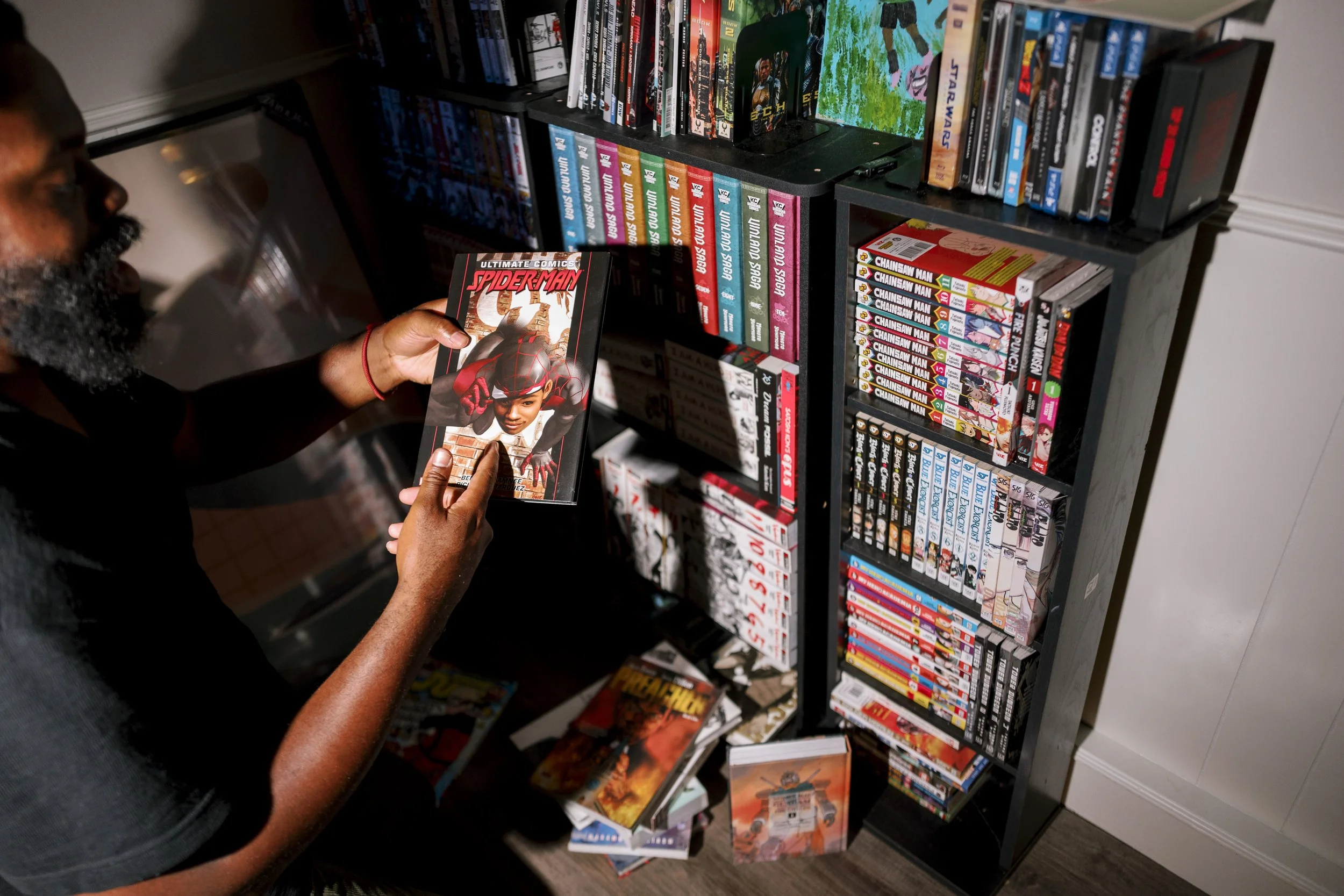
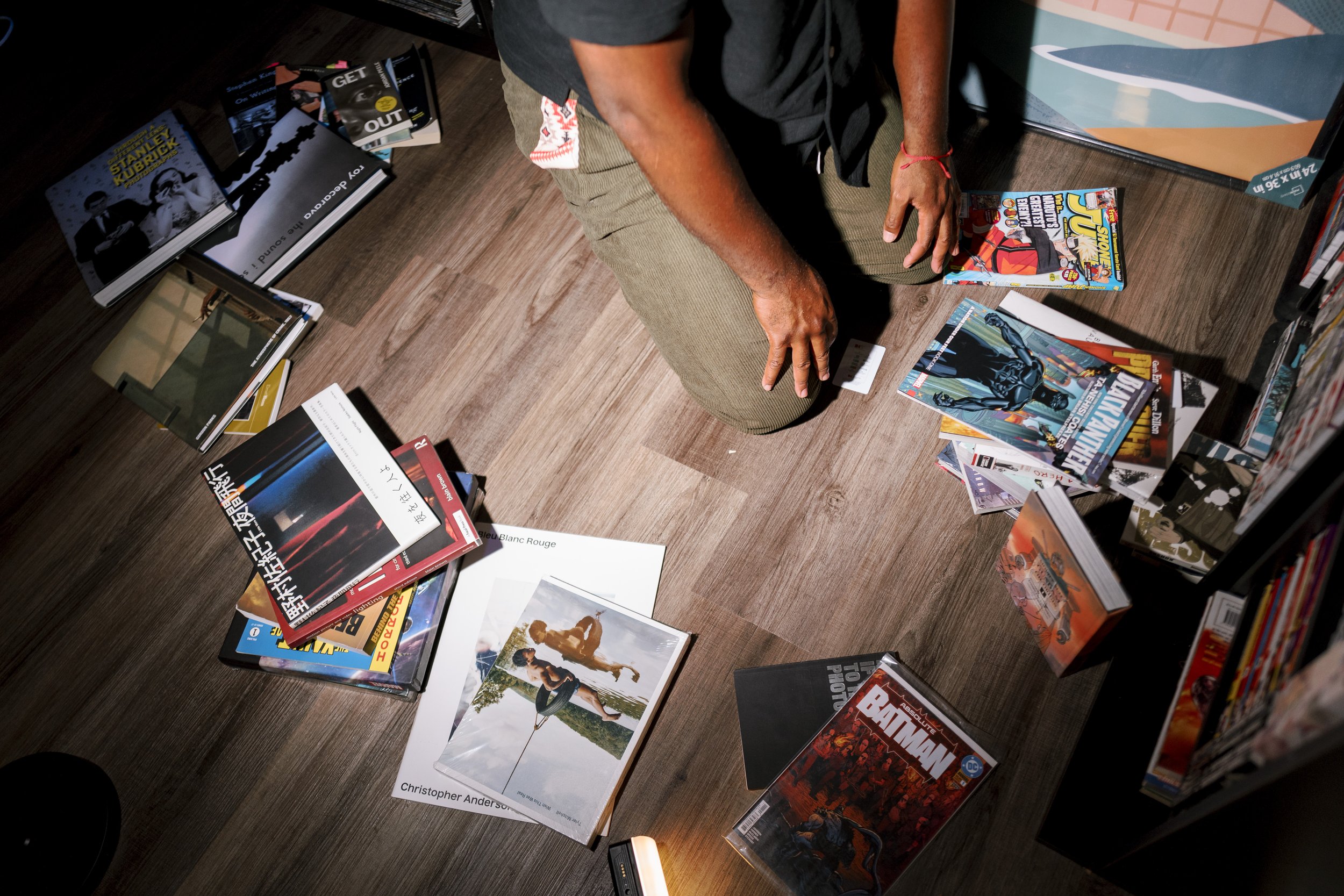
When it comes to digital property, you don’t truly own it. That’s why I think it’s important to have physical copies—not only for the sake of ownership, but also because there’s something meaningful about holding a book, feeling the texture of its pages, and using a medium that separates you from your phone. Your phone isn’t just a telephone; it’s also a computer, a camera, and so much more. Having a bit of separation between man and machine is just as important as having your feet touch the Earth.
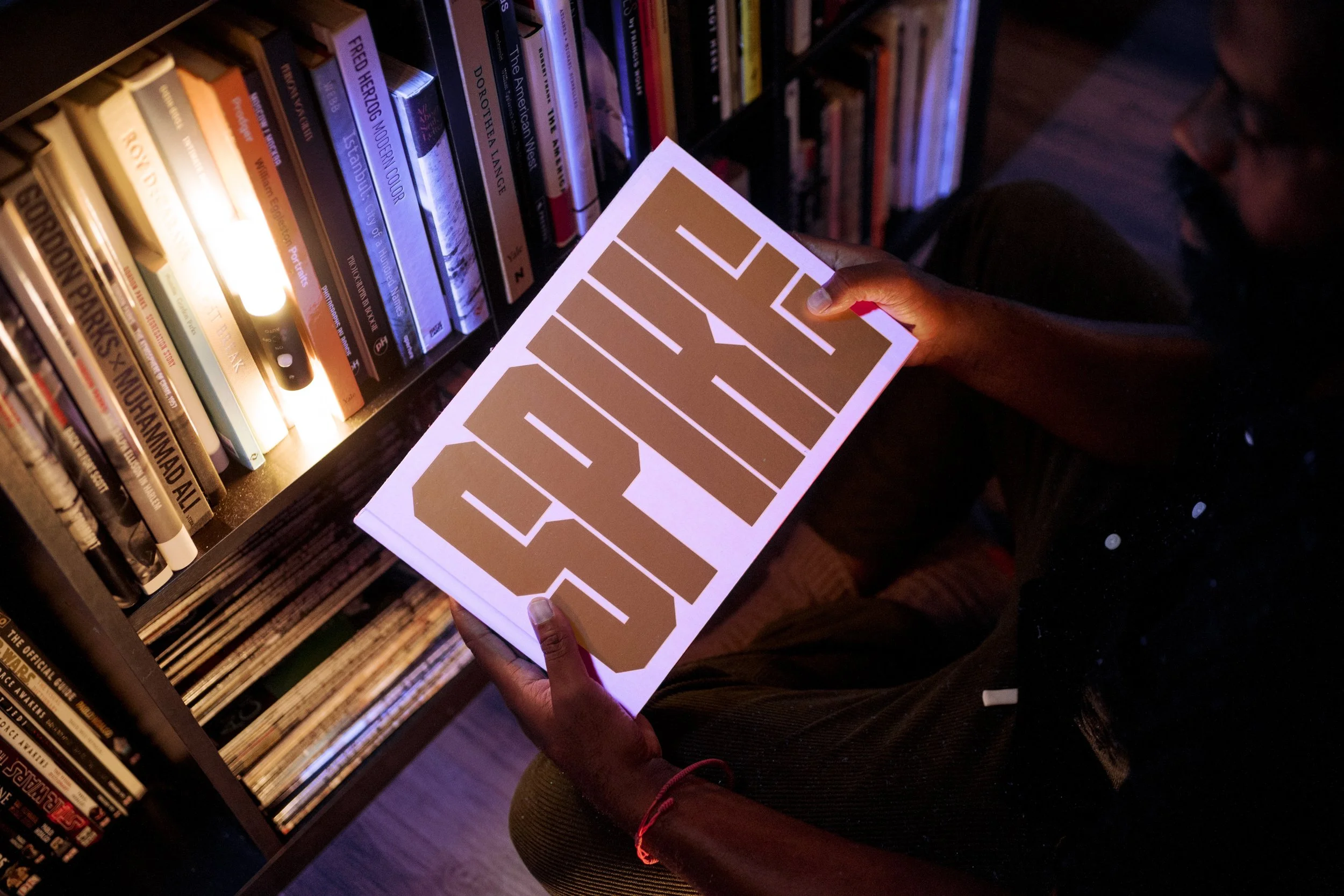
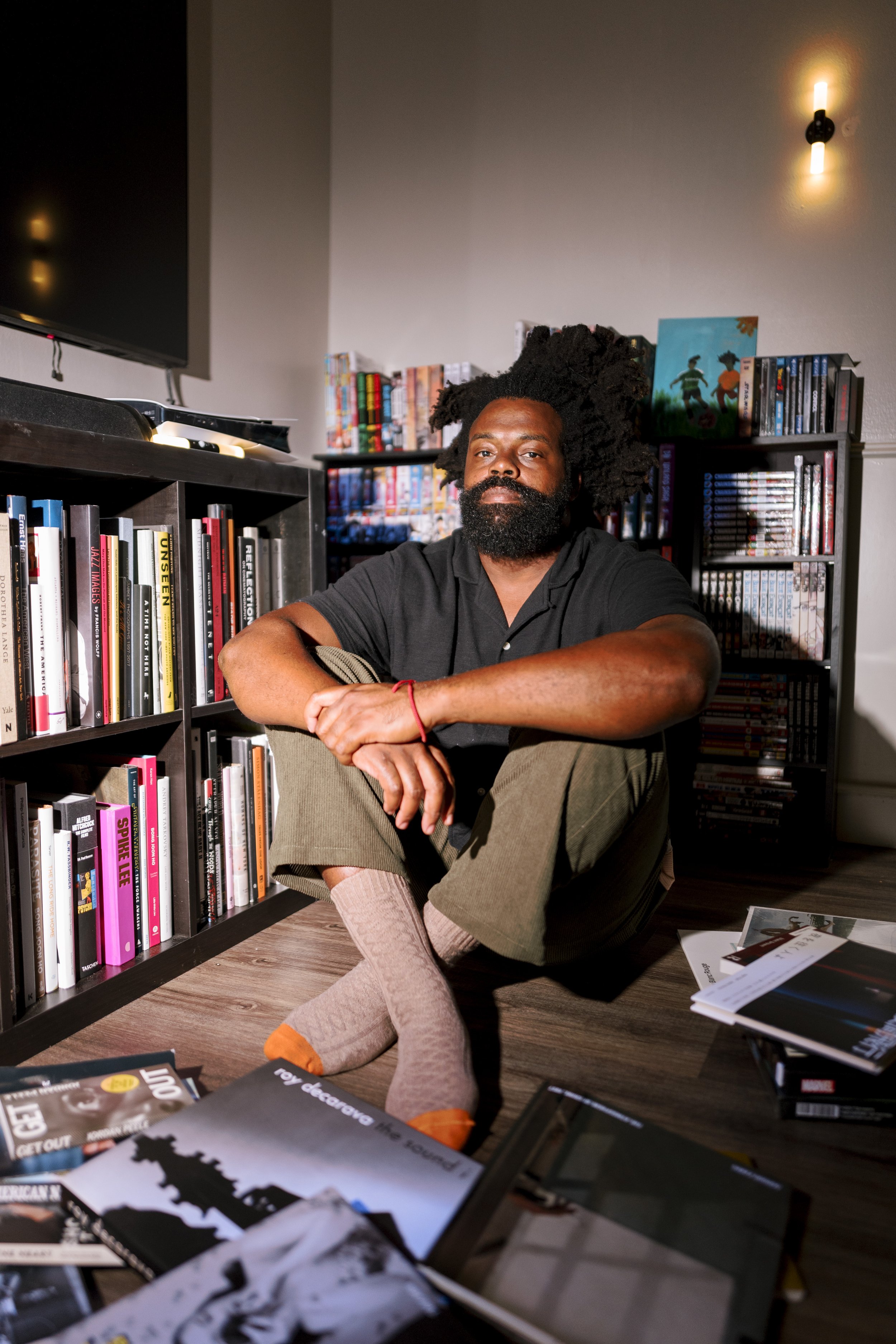
I’ve been collecting books for a long time. First comics since I was 8, then manga since I was 13, and finally film and photography books since I was 22. I’m 41 now. My true devotion to collecting books began when I started my journey to become a director of photography. I was inspired by another cinematographer, Bradford Young, who mentioned that he found inspiration for one of his films by studying the work of photographer Roy DeCarava. I quickly bought as many of his photography books as I could—the affordable ones—and was immediately inspired. — Jamario Washington
Savannah Holtcamp
31, English Teacher
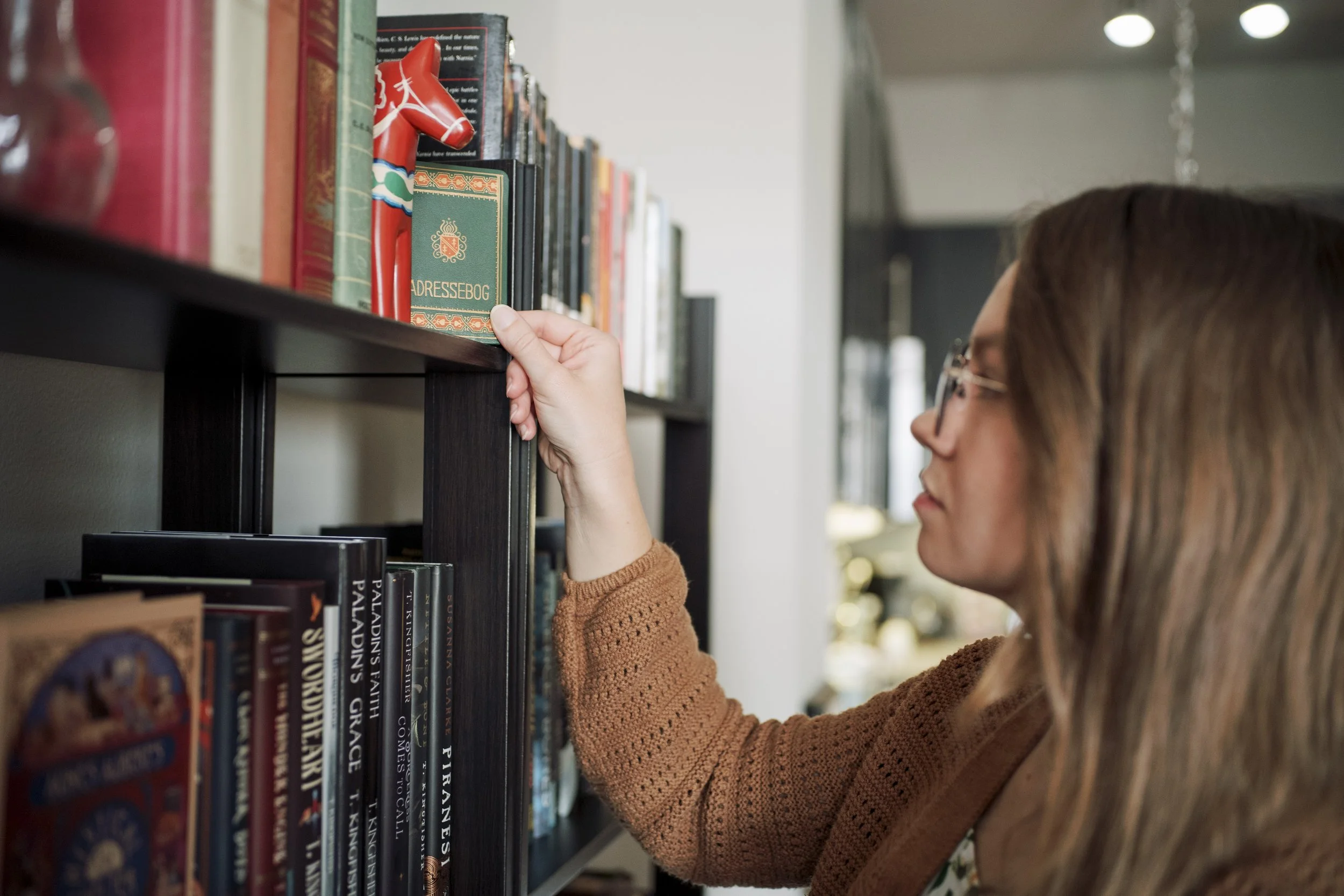
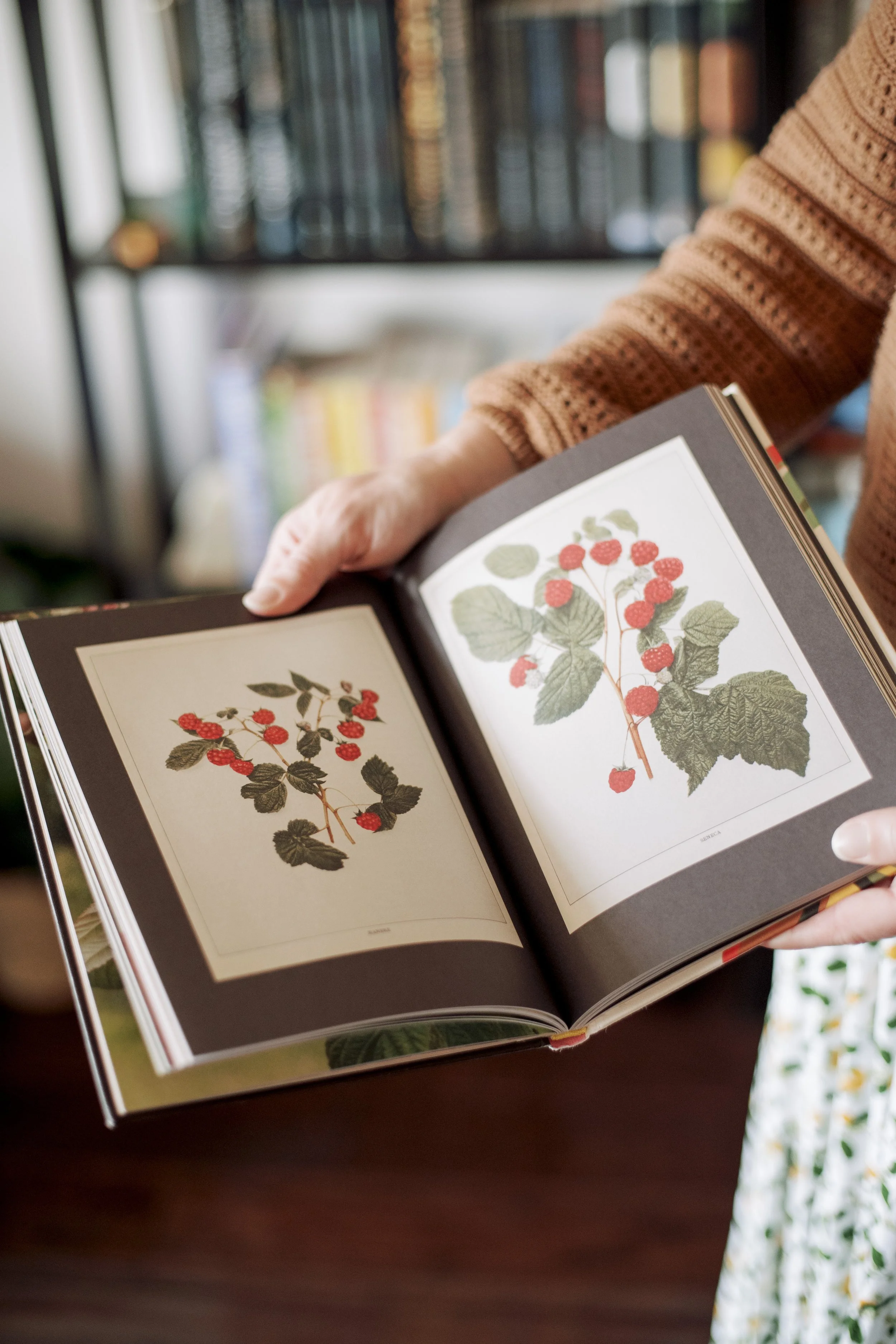
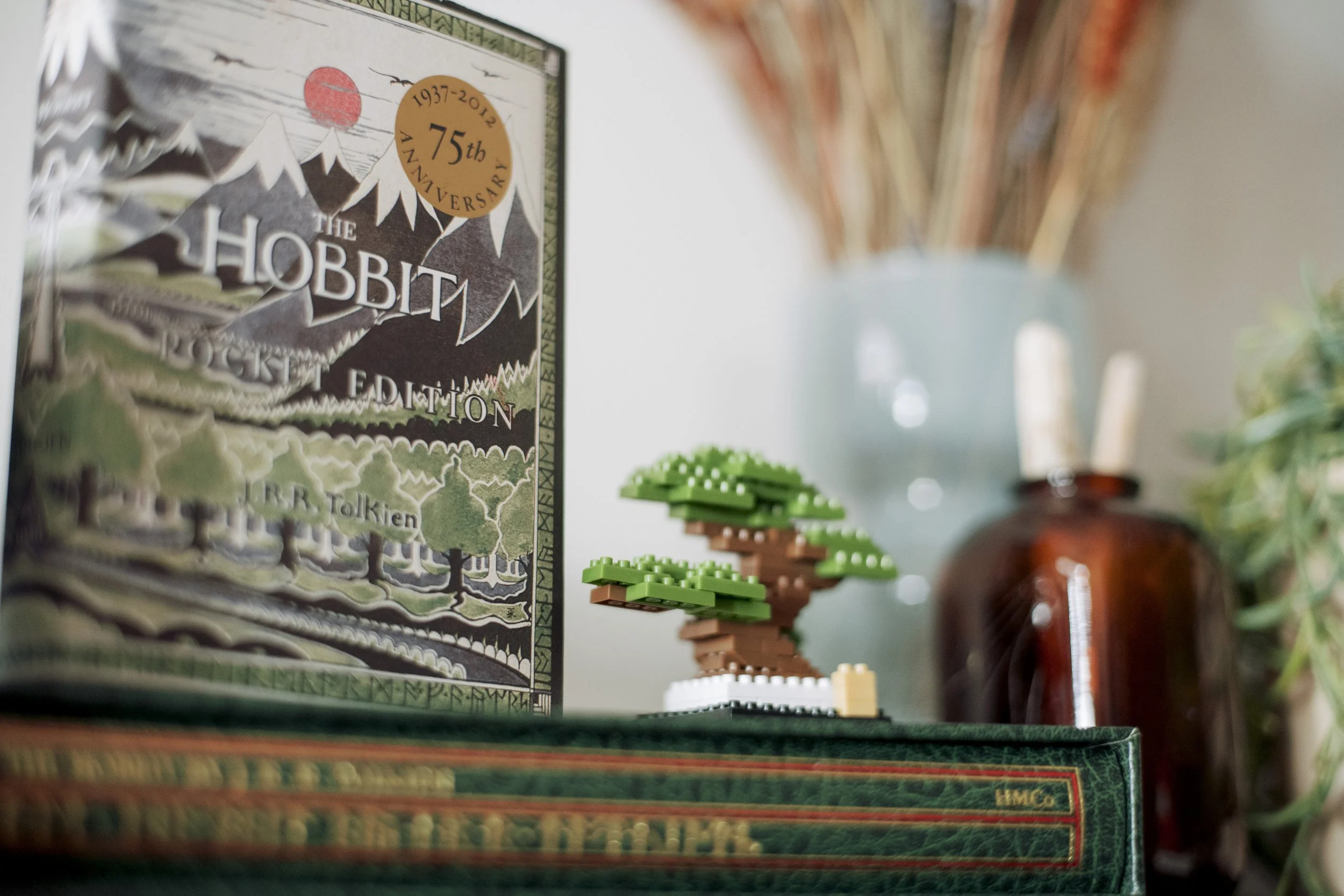
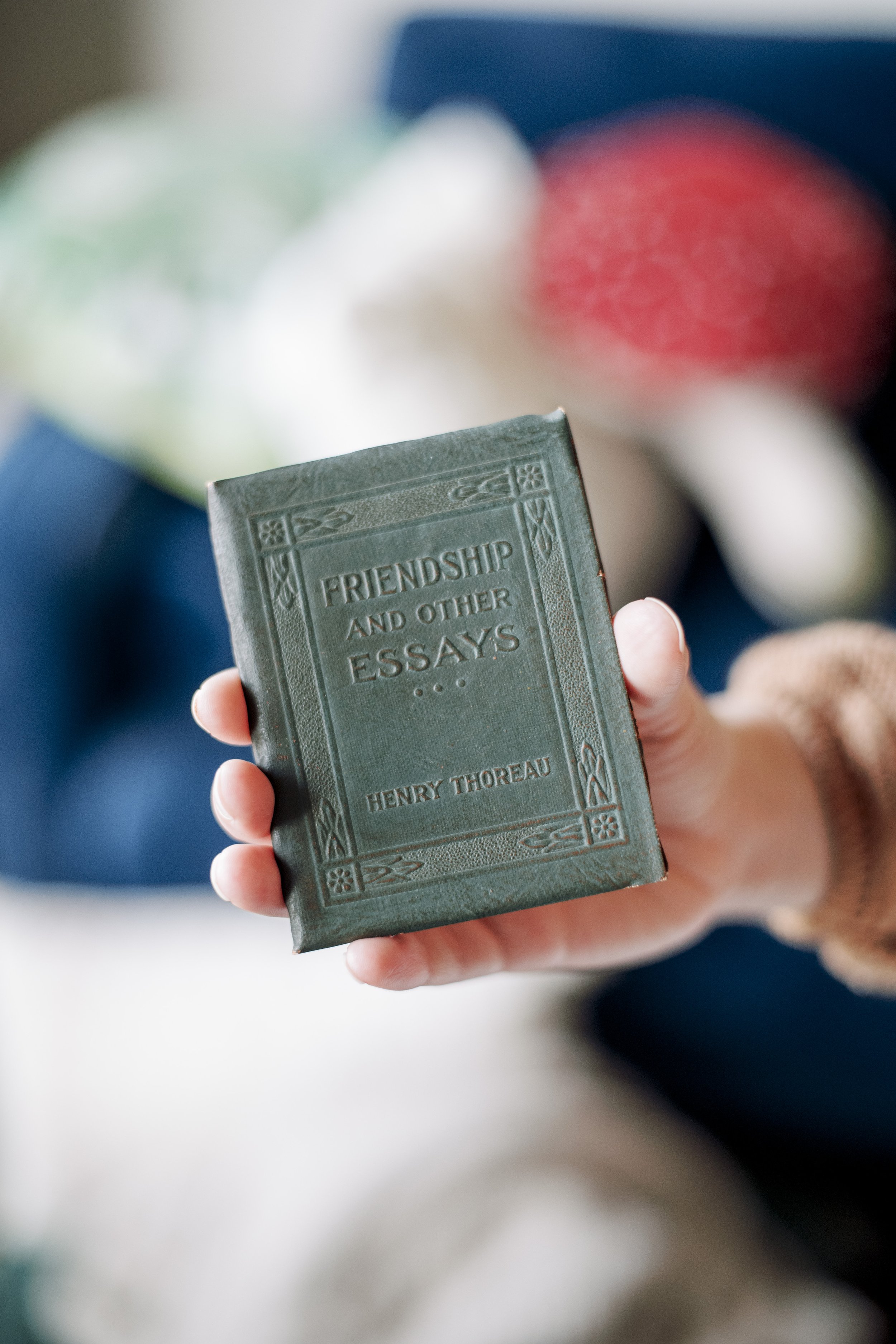
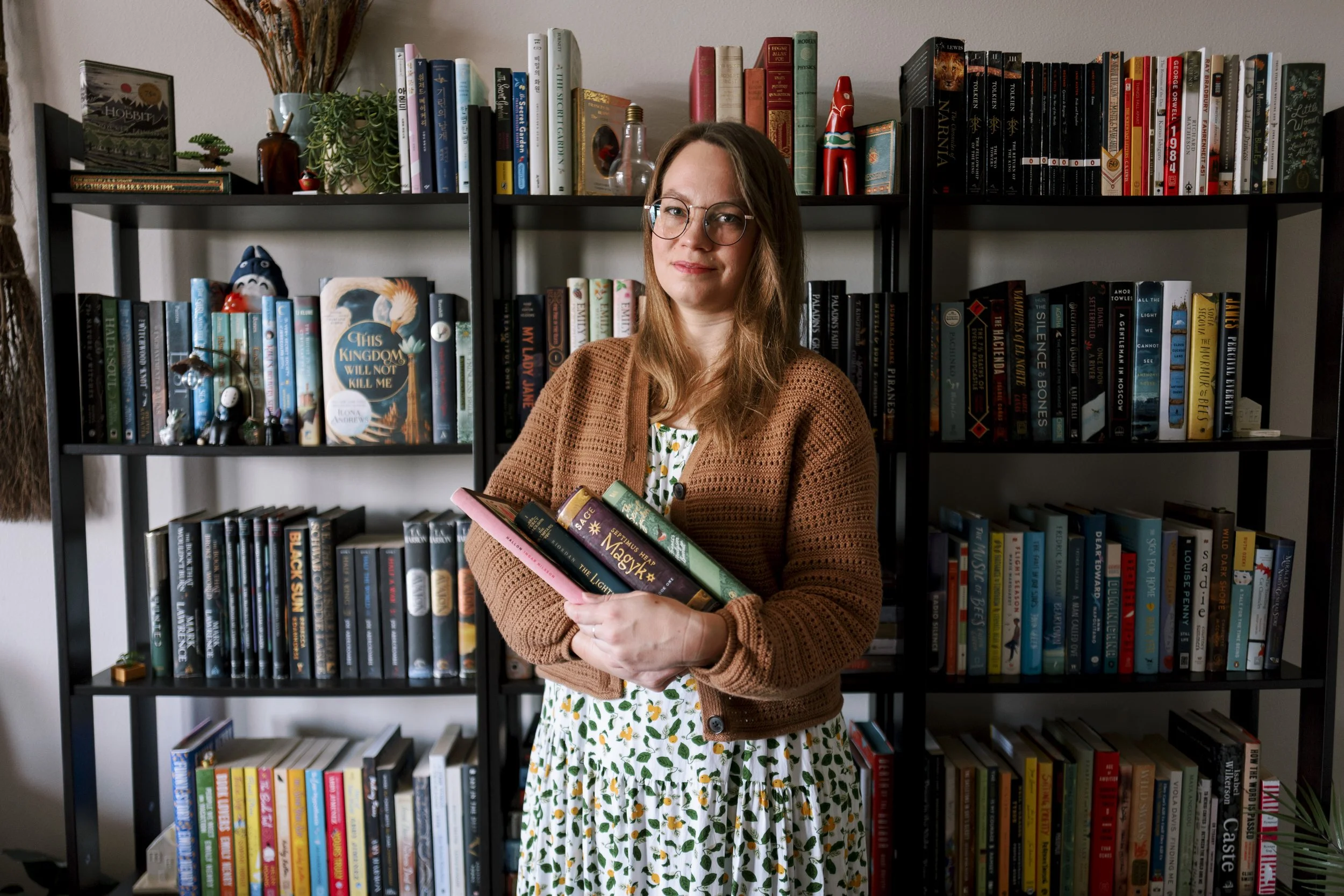
I like to buy a book or two when I travel. Sometimes just a book I’ve been wanting to read, sometimes something unique. I have a Swedish book about raspberries that I found in a thrift store in Malmö. It’s random and I can’t read Swedish, but it’s an interesting book to have a flip through. I also have an antique copy of essays by Thoreau that I found while visiting a friend in Colorado and a copy of “The Secret Garden” that I bought in London. A lot of the books I’ve bought when I travel remind of where I was when I bought them, what I was doing and feeling on that trip.
I try to keep only books that are significant in some way, even if just because I really loved reading them. I do think of my shelves as a collection that together show my interests and tastes. For nonfiction and classics, I look for books that have some sort of importance to history or the world, and for the rest, I mostly just buy books that I enjoyed. I actually tend to read books from the library first, then buy them if I really enjoyed them and might want to re-read them (and to support the author). Some are also just books from childhood that have special memories attached to them of reading them as a kid, like a first edition copy of “Percy Jackson & the Olympians: The Lightning Thief.” — Savannah Holtcamp